How to Start Strength Training in Perimenopause: A Beginner's Guide
A practical roadmap for women beginning strength work during perimenopause, addressing fatigue, recovery, and how to build a sustainable practice that fits your changing body.

Published June 29, 2026 · 7 min read
If you're in perimenopause and thinking about starting strength training—or coming back to it after years away—you're in exactly the right place. This transition brings real changes: energy that ebbs and flows unpredictably, joints that feel different than they used to, and a body that doesn't respond to exercise the same way it did in your twenties. None of that means strength training isn't for you. It means you get to approach it differently, and that's actually an advantage.
You don't need to train like someone half your age or push through fatigue to prove anything. What you need is a sustainable foundation that respects where your body is right now and builds from there. This guide walks you through the practical steps to begin—or begin again—with confidence.
Why Strength Training Matters During Perimenopause
Perimenopause is the years-long transition leading up to menopause, marked by fluctuating estrogen and progesterone. Those hormonal shifts influence muscle mass, bone density, metabolism, and how your body recovers from physical stress. Strength training becomes especially valuable during this window because it directly supports what your body needs most: maintained muscle, protected bone health, and functional capacity that carries you through the transition and beyond.
You're not trying to turn back time. You're building resilience for the decades ahead. Strength training helps you stay capable, independent, and strong in ways that matter for daily life—carrying groceries, lifting grandchildren, getting up from the floor, maintaining balance.
Acknowledge What's Different (and Work With It)
Before you pick up a weight, it helps to understand what you might be working with. Perimenopause often brings:
- Unpredictable energy and fatigue that doesn't follow a neat weekly pattern
- Joint sensitivity or stiffness, particularly in the mornings or after inactivity
- Longer recovery windows between training sessions
- Sleep disruption that affects how you feel during and after workouts
- Body composition changes that happen even when your habits haven't shifted
None of these are obstacles to strength training—they're just variables you account for. Your program needs to flex with your energy, not demand you show up the same way every session. Some days you'll feel strong; other days a lighter load or shorter workout is exactly right. Both build the habit.
Start With Movement You Can Do Right Now
You don't need a gym membership, a personal trainer, or an hour of free time to begin. You need a place to start that feels manageable today.
Begin with bodyweight movements that teach your body fundamental patterns:
- Squats (to a chair if needed)
- Modified push-ups (hands elevated on a counter or table)
- Glute bridges
- Standing rows (using a resistance band looped around a doorknob)
- Planks (on your knees or hands elevated)
Pick two or three movements. Do 1–2 sets of 8–12 repetitions, two or three times per week. That's enough to start building strength and, more importantly, the habit of showing up. You can always add weight, reps, or complexity later—but you can't build on a routine you abandon in week two because it felt overwhelming.
Progress Gradually and Prioritize Recovery
The temptation when starting anything new is to do too much, too soon. In perimenopause, that approach backfires quickly. Your body needs more recovery time than it used to, and ignoring that leads to persistent fatigue, joint pain, and burnout.
Progress slowly:
- Add one or two reps per set before increasing weight
- Add a new movement only after the current ones feel comfortable
- Rest at least one full day between strength sessions, more if you're still sore or fatigued
- Listen to your body on high-fatigue days—scaling back is not failure, it's intelligent training
Recovery isn't passive rest. It includes sleep (as much as perimenopause allows), gentle movement on off days (walking, stretching, yoga), and adequate nutrition. You build strength during recovery, not during the workout itself.
Expect Fluctuations (and Keep Showing Up Anyway)
Your strength, energy, and motivation will not progress in a straight line. Some weeks you'll feel capable and strong. Other weeks you'll feel like you've lost ground. That's normal in perimenopause—hormonal fluctuations affect everything from muscle activation to perceived effort.
The goal isn't to perform at peak every session. The goal is consistency over months and years. A lighter workout is still a workout. A shorter session still counts. Showing up when you don't feel like it—and choosing the version of the workout that fits your energy—is how you build a practice that lasts.
Track your workouts if it helps you see progress over time, but don't let a bad week convince you it's not working. Strength builds slowly, and in perimenopause, patience is part of the strategy.
Want this built around your week?
Work with GabbyAddress Joint Sensitivity and Form
If your joints feel sensitive—wrists, knees, hips, shoulders—you're not imagining it. Hormonal changes affect connective tissue, and jumping into high-impact or poorly executed movements can aggravate discomfort.
Protect your joints by:
- Warming up properly with 5–10 minutes of gentle movement (arm circles, leg swings, light cardio)
- Focusing on controlled movement rather than speed or max reps
- Using modifications that reduce stress on sensitive areas (elevated push-ups for wrists, step-ups instead of jump squats for knees)
- Stopping if something feels sharp or wrong—discomfort is different from pain
Good form matters more than the amount of weight you lift. If you're unsure whether you're doing a movement correctly, consider working with a trainer for even one or two sessions to establish solid technique. Poor form under load increases injury risk, and injuries derail progress faster than anything else.
Build the Habit Before You Optimize the Program
You don't need the perfect program. You need a program you'll actually do. In the beginning, showing up consistently matters far more than having the ideal exercise selection, rep scheme, or periodization plan.
Focus on:
- Consistency: two or three sessions per week, every week
- Simplicity: a handful of basic movements you can do with minimal equipment
- Sustainability: a routine that fits your current life, not the life you wish you had
Once the habit is solid—say, three months of consistent training—you can refine. Add variety, increase load, explore progressive overload strategies. But in the first weeks and months, your only job is to keep showing up and doing the work. Everything else is secondary.
When to Seek Guidance
You can absolutely start on your own, especially with bodyweight movements and basic progressions. But there are times when working with a professional makes sense:
- You have a history of injury or chronic pain that needs accommodation
- You're unsure about form and want to avoid bad habits
- You've been consistent for a few months and want a structured progression plan
- You feel overwhelmed by conflicting information and want clarity
Look for a trainer with experience working with women in perimenopause or midlife—someone who understands your goals and needs. A good trainer meets you where you are and builds from there.
You're Not Starting From Scratch
Even if you haven't lifted weights in years—or ever—you're not a blank slate. You've been moving your body your entire life. You know what fatigue feels like, what your limits are, and when something doesn't feel right. That's valuable information.
Starting strength training in perimenopause isn't about erasing the changes happening in your body. It's about working with them, building capacity, and creating a foundation that supports you now and for decades to come. You don't need to be perfect. You just need to start, keep showing up, and trust the process.
This article is for educational purposes and does not constitute medical advice. If you have health concerns or conditions that may affect your ability to exercise, consult your physician before beginning a new fitness program.
Your next step
Training built for your body, this season of it
A personalized program from a coach who understands perimenopause and menopause. Tell us about you and we'll take it from there.
Frequently asked questions
How often should I strength train if I'm new and in perimenopause?
Start with two to three sessions per week, with at least one full rest day between sessions. This frequency allows you to build the habit while giving your body adequate recovery time. As you adapt and your energy stabilizes, you can consider adding a third or fourth session, but more isn't always better—especially when recovery needs are higher.
Do I need a gym membership to start strength training?
No. You can begin with bodyweight movements at home—squats, modified push-ups, glute bridges, and planks require no equipment. A set of resistance bands or a pair of light dumbbells expands your options, but neither is necessary in the first few weeks. Focus on building the habit with what you have access to right now.
What should I do if I feel more fatigued than usual on a workout day?
Scale back. Reduce the number of sets, use lighter resistance, or shorten the session. A lighter workout is still productive and reinforces the habit of showing up. In perimenopause, energy fluctuates unpredictably—learning to adjust your training to match your energy is a skill, not a compromise. If fatigue persists for more than a week or two, consider whether you're getting adequate recovery, sleep, and nutrition, and consult your physician if needed.
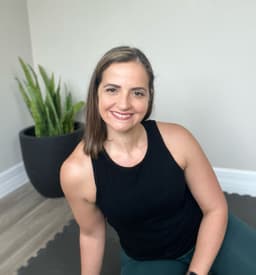
Written & reviewed by
Gabby
NASM-Certified Personal Trainer with 15+ years of experience, currently completing the advanced NASM Women's Fitness Specialization. Every article here is grounded in her coaching experience and traceable, sourced research — never generic advice.
About Gabby